

Understanding Common Connection Forms of Ship Anchor Chains
1. Anchor to Anchor Shackle
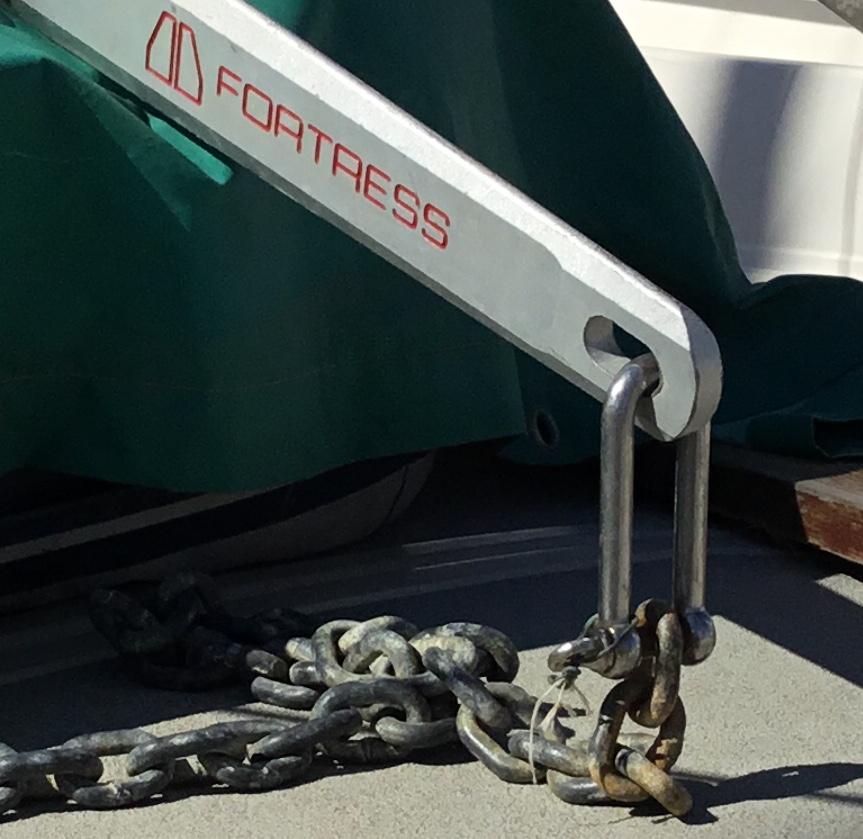
The connection starts at the anchor. The anchor typically has a hole or an anchor shank eye through which an anchor shackle (bow shackle) is inserted. This connection allows the anchor to pivot slightly under tension, reducing stress and wear.
2. Anchor Shackle to Swivel Assembly
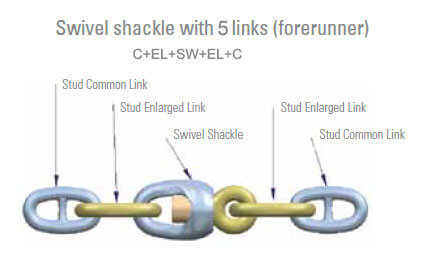
The anchor shackle connects to a swivel assembly, often called a connecting link or swivel. The swivel ensures that the anchor chain can rotate freely, preventing twisting of the chain as the anchor swings due to wind and current.
3. Connecting to the First Chain Link
The first link of the anchor chain is attached to the swivel assembly. This connection forms the start of the anchor chain, which will extend to the vessel. The first link is usually heavier and stronger to absorb the initial forces when the anchor sets.
4. Interlinking Chain Sections
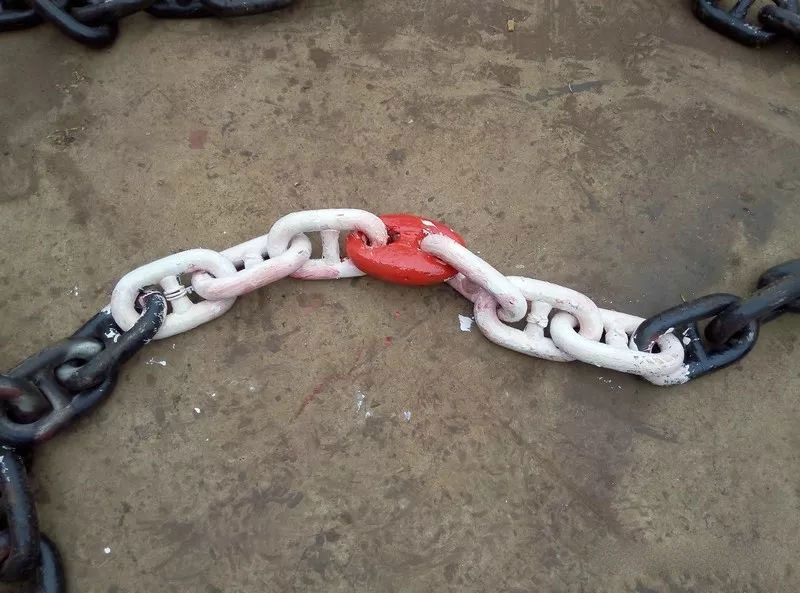
Anchor chains are made of multiple sections, each connected using Kent shackles (also known as chain shackles). Each shackle allows secure attachment while permitting limited movement between chain sections, improving flexibility and preventing overstressing.
5. Connection to the Vessel
The chain’s last section is connected to the ship through a hawsepipe or chain stopper, ensuring the chain is securely held in place. The connection can include additional shackles or swivels, depending on the ship design. This final connection allows safe handling during anchoring operations.
Conclusion
Understanding the common connection forms of anchor chains—from the anchor through shackles, swivels, and chain sections to the vessel—is vital for maritime safety. Proper selection and maintenance of these components ensure reliability, reduce wear, and enhance the anchor’s effectiveness.
