

Understanding Marine Anchors and Anchor Chains
In the world of maritime operations, anchors and anchor chains play a critical role in ensuring vessel safety, stability, and operational efficiency. Whether for commercial shipping, offshore engineering, or recreational boating, selecting the right anchoring system is essential. This article provides a clear and practical overview of anchors and anchor chains, their types, functions, and key considerations.
⸻
1. What Is a Marine Anchor?
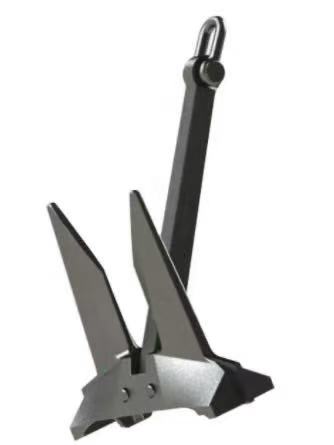
A marine anchor is a device designed to secure a vessel to the seabed, preventing it from drifting due to wind, waves, or currents. Anchors work by embedding themselves into the seabed or by providing sufficient weight and friction.
Common Types of Anchors:
• Stockless Anchor
Widely used on large commercial vessels. Easy to handle and store, suitable for most seabeds.
• Stock Anchor (Admiralty Anchor)
Traditional design with strong holding power, especially effective in rocky or weedy seabeds.
• High Holding Power (HHP) Anchor
Designed to provide superior holding force relative to its weight. Common in modern shipping and offshore projects.
• Super High Holding Power (SHHP) Anchor
Advanced anchors with even higher efficiency, often used in offshore platforms and specialized vessels.
⸻
2. What Is an Anchor Chain?
The anchor chain connects the anchor to the vessel and plays a vital role in the anchoring system. It not only transmits the holding force but also provides weight to keep the anchor at the correct angle on the seabed.
Key Functions:
• Weight Distribution
The chain’s weight helps maintain a low angle of pull, improving anchor holding performance.
• Shock Absorption
Chains absorb dynamic loads caused by waves and vessel movement.
• Abrasion Resistance
Designed to withstand harsh seabed conditions such as الصخور、sand, and coral.
⸻
3. Types of Anchor Chains
• Stud Link Chain
The most common type used in commercial shipping. The stud in each link increases strength and prevents deformation.
• Studless Chain
Lighter and more flexible, often used in offshore mooring systems.
Grades of Anchor Chains:
• Grade U2 – Standard strength, widely used
• Grade U3 – Higher strength, suitable for demanding conditions
• Offshore Grades (R3, R4, R5) – Used in offshore oil & gas and deepwater applications
⸻
4. How Anchors and Chains Work Together
An effective anchoring system depends on the combination of anchor type, chain length, and seabed conditions.
• Scope Ratio (Chain Length / Water Depth)
Typically ranges from 5:1 to 10:1 for secure anchoring.
• Seabed Conditions
Sand and mud provide better holding than rock or coral.
• Environmental Factors
Wind speed, current, and wave conditions influence anchor performance.
⸻
5. Key Considerations When Choosing Anchors and Chains
When selecting anchoring equipment, consider the following:
• Vessel Size and Type
Larger vessels require stronger anchors and higher-grade chains.
• Operating Environment
Offshore, coastal, or harbor conditions demand different specifications.
• Certification Standards
Ensure compliance with international standards such as ABS, LR, DNV, or CCS.
• Corrosion Resistance
Proper coatings and materials extend service life, especially in seawater.
⸻
6. Maintenance and Inspection
Regular inspection and maintenance are essential for safety:
• Check for wear, corrosion, and deformation
• Measure chain elongation
• Ensure proper lubrication and storage
• Replace damaged components promptly
⸻
Conclusion
Anchors and anchor chains are fundamental components of maritime safety and operational success. Understanding their types, functions, and proper selection criteria can significantly improve vessel performance and reduce risks. Whether you are managing a fleet or sourcing marine equipment, investing in high-quality anchoring solutions is a decision that ensures long-term reliability.
⸻
About Us
We specialize in manufacturing and supplying high-quality marine anchors and anchor chains for global clients. With strict quality control, international certifications, and reliable delivery, we are committed to supporting your maritime operations with dependable anchoring solutions.
For more information or product inquiries, feel free to contact our team.
